
menu
Reconnect?
A retailer may work with five suppliers, fifteen suppliers, or more. The exact number varies by business, but the operational pattern is increasingly familiar: one login for a local producer, another for a distributor, another for a specialty food brand, and several more for ordering, invoices, promotions, and delivery updates.
At some point, wholesale purchasing starts to feel less like buying products and more like managing passwords.
This is portal fatigue. And while each supplier portal may work perfectly well on its own, the overall buying experience can become slow, fragmented, and difficult to manage.
A digital portal is not automatically a connected B2B experience.
Imagine an independent grocer preparing for the weekend. The buyer needs to restock sauces, preserves, specialty beverages, snacks, and prepared foods.
The process might look like this:
A specialty food shop or restaurant may face a similar routine. The products are different, but the administrative burden is the same: too many systems, too many formats, and too many disconnected updates.
As portal usage expands, the retailer—not the supplier—often becomes responsible for stitching the information together.
The visible cost is time. The hidden cost is everything that becomes harder because purchasing information is scattered.
Every additional portal creates another point of friction. Buyers must remember credentials, learn different navigation systems, and search for products using different names, filters, and categories.
That may only take a few minutes per supplier. Across a busy week, however, those minutes add up quickly. More importantly, the work interrupts the buyer’s real priorities: choosing the right assortment, serving customers, and growing the business.
One supplier may list a product by case, another by unit, and another by a shorthand SKU. Product descriptions, pack sizes, allergens, formats, and availability indicators may appear differently from one portal to the next.
When the data is inconsistent, buyers spend more time verifying what they are actually ordering. That increases the risk of:
Reordering should be one of the simplest activities in wholesale. Yet a fragmented process can force buyers to reconstruct their purchasing history one supplier at a time.
They may need to search old emails, download previous order documents, or compare spreadsheets before placing a repeat order. This makes routine replenishment slower and increases the chance that a popular product is forgotten.
Orders, invoices, credits, and delivery information often live in separate systems. A buyer may know that an order was placed but still need to visit another portal—or call the supplier—to understand its current status.
This creates additional work for accounts payable and operations teams. It also makes it more difficult to answer basic questions:
When buying history is split across portals, retailers lose a clear view of their overall purchasing activity.
It becomes harder to identify:
The data exists, but it is trapped in separate silos.
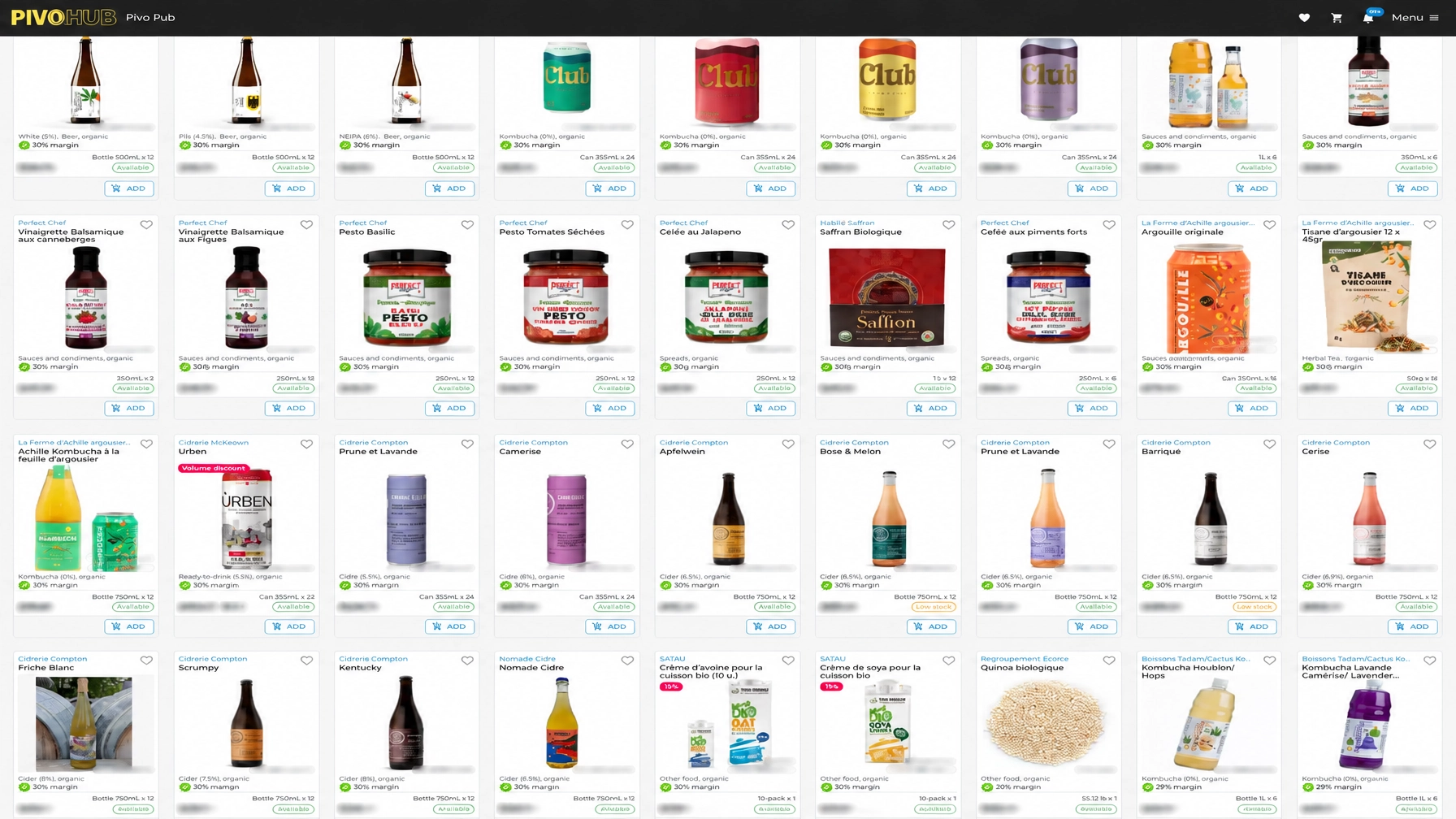
A supplier portal can be useful. It can give a producer control over its catalog, pricing, customer relationships, and order workflow.
The problem appears when every supplier asks the buyer to use a separate portal.
From the supplier’s perspective, the portal is a digital storefront. From the retailer’s perspective, ten storefronts can feel like ten separate jobs.
This is the difference between a collection of digital storefronts and a connected B2B ecosystem.
A collection of storefronts gives each supplier its own space. A connected ecosystem helps information move between the people and systems involved in the transaction.
That means connecting:
The goal is not to give buyers another portal. The goal is to give them one consistent place to manage wholesale purchasing.
Retailers should be able to expect more from digital purchasing. A modern B2B marketplace for retailers should make the buying process simpler, not move the administrative burden from suppliers to buyers.
At a minimum, buyers should have access to:
This is also what producers and distributors should expect from a modern Wholesale eCommerce platform. A better buyer experience creates a better sales channel.
When products are easier to discover and orders arrive in a cleaner, structured format, suppliers spend less time answering repetitive calls and emails. They also gain better visibility into demand and can present their brands more professionally.
PivoHub is designed to bring this experience together.
PivoHub is a connected B2B marketplace and sales ecosystem where retailers can discover local suppliers, browse multiple catalogs, and place orders from several suppliers in as few as three clicks. The platform is Free for retailers, helping buyers centralize their purchasing without adding another paid system to their operations.
Retailers can use PivoHub to:
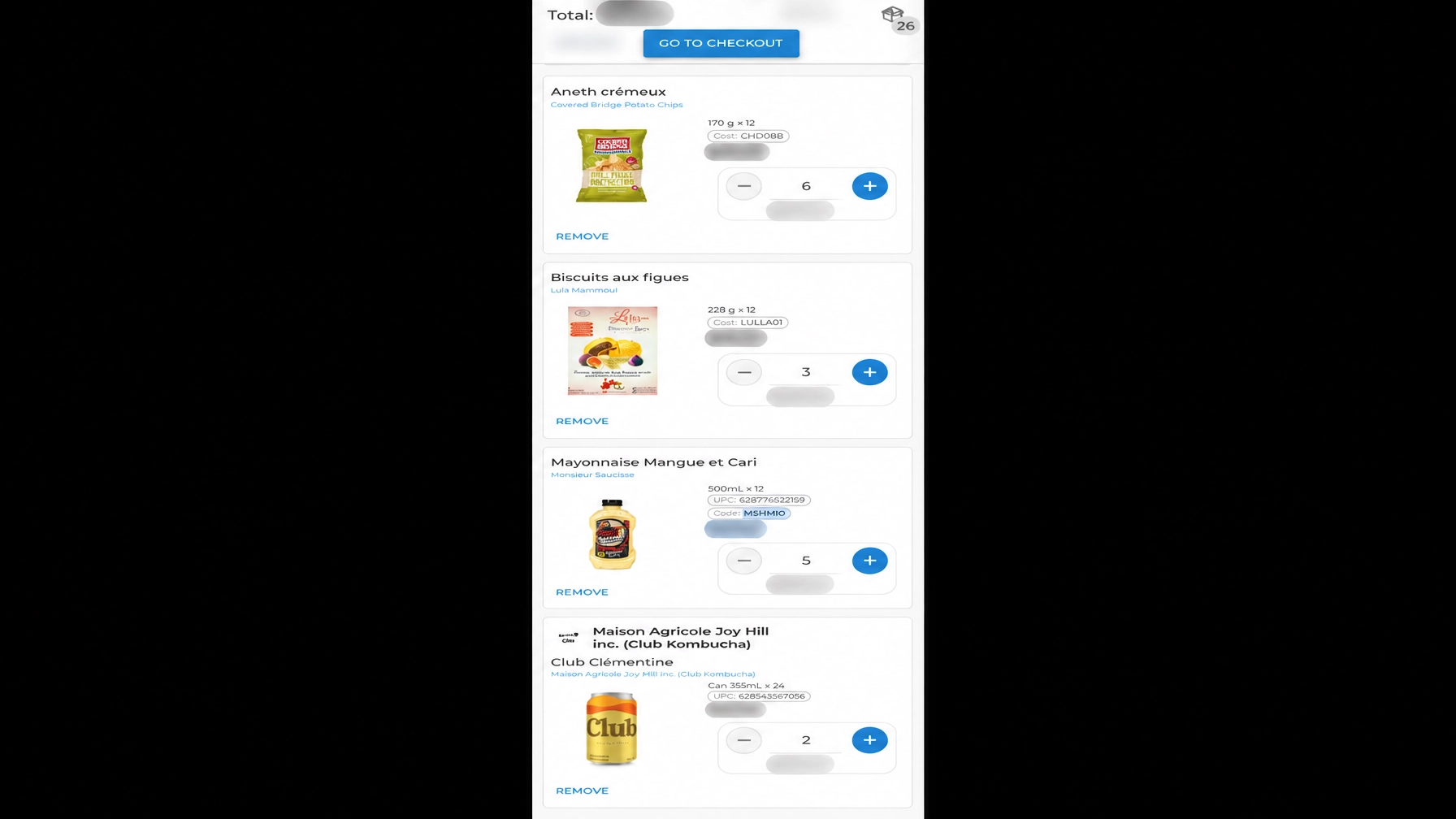
Behind the marketplace, PivoHub connects the commercial workflow that normally gets split across emails, spreadsheets, phone calls, and isolated portals.
For producers and distributors, that means product catalogs, inventory, orders, fulfillment, logistics, and accounting can work together more smoothly. PivoHub supports real-time inventory, Wholesale order management, multi-warehouse visibility, route and delivery workflows, and connections to accounting systems.
It also fits into broader business technology environments, including ERP, EDI, and POS workflows where relevant. The objective is simple: connect the transaction from the shelf to the back office and reduce repetitive manual entry.
Portal fatigue is not only a retailer problem.
When buyers struggle to use supplier systems, producers and distributors feel the effects too:
A connected marketplace helps both sides.
Retailers get a clearer, faster purchasing experience. Suppliers gain better product discovery, more structured orders, fewer repetitive follow-ups, and improved visibility into what buyers are looking for.
This is where B2B sales management software becomes more than an internal sales tool. It becomes infrastructure for collaboration across the supply chain.
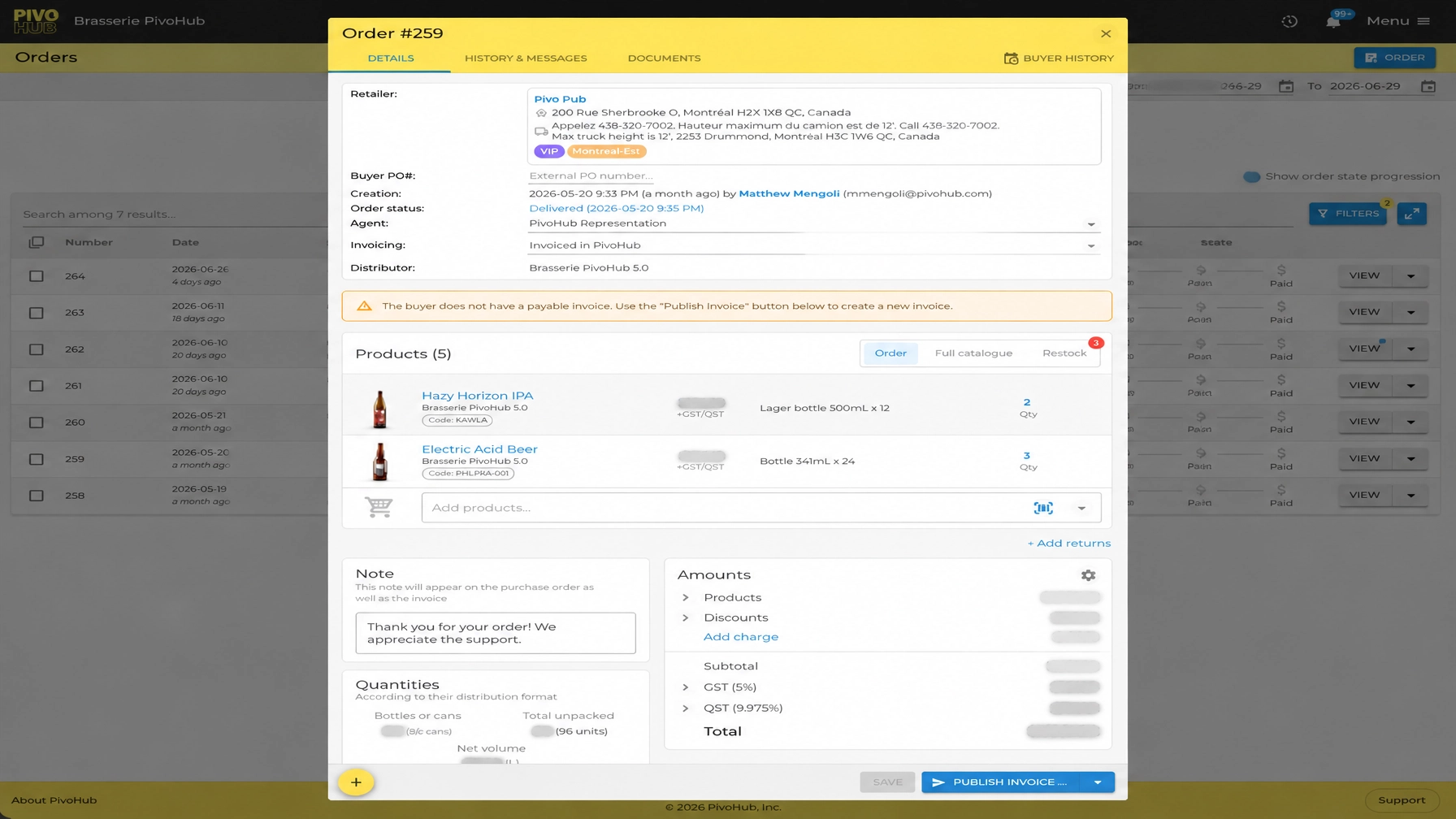
Moving from paper orders to online portals was an important step. But the next step is not simply creating more portals.
The future of wholesale is connected purchasing: one place to discover products, compare availability, place orders, follow fulfillment, and understand buying patterns.
For retailers, that means less time switching between systems and more time improving the assortment customers see on the shelf.
For producers and distributors, it means a more professional buyer experience, cleaner operations, and stronger relationships with the businesses that sell their products.
If your team is tired of managing catalogs, orders, invoices, and updates across too many disconnected systems, explore PivoHub for buyers. The goal is not to add another portal to your workflow. It is to help you leave portal fatigue behind.


