
menu
Reconnect?
In the high-stakes world of food and beverage distribution, the sales broker is the ultimate connector. You are the bridge between the craft producer pouring their heart into a new vintage and the busy retailer looking for the next big hit for their shelves.
On paper, your job is simple: connect great products with great people. In reality, you’ve become a part-time data entry clerk, a full-time logistics negotiator, and a semi-professional spreadsheet whisperer.
If you represent 15 different brands, you aren’t just working one job. You are often forced to work 15 separate jobs, each with its own "system": ranging from sophisticated ERPs to a messy WhatsApp thread with a distracted warehouse manager. This is The Broker’s Dilemma: the more successful you are at growing your portfolio, the more the administrative weight threatens to crush your ability to actually sell.
Ask any independent sales agent what their biggest time-sink is, and they won’t say "selling." They’ll say "searching."
When a retailer asks, "Is the West Coast IPA in stock for a Thursday delivery?" the clock starts ticking. For many brokers, the workflow looks like this:
This fragmented reality is more than just annoying: it’s a growth killer. Research shows that multi-brand intermediaries often struggle with conflicting priorities and fragmented data, leading to "paralysis by analysis." When you have to manually reconcile data across five different vendor portals and a dozen Google Sheets, your response time slows down, and your reputation for reliability takes a hit.
The reliance on manual, spreadsheet-based reporting is a dangerous game in the fast-moving B2B food and beverage sector. Inventory isn't static; it's a living, breathing entity.
When you don't have a B2B sales management software that provides live visibility, you are essentially "inventory ghosting" your clients. You promise stock you might not have, or worse, you stop pushing a product you think is out of stock, only to find out later that the warehouse was full.
Emails and phone calls are the enemies of scale. Every minute spent chasing a tracking number or a revised invoice is a minute not spent opening new accounts or deepening existing relationships. For a broker, your time is your only inventory. If you're spending 80% of it on administration, you’ve capped your own earning potential.
Perhaps the most painful part of the manual hustle is the end-of-month reconciliation. Tracking what was sold, what was delivered, and what was actually paid for across 15 different commission structures is a nightmare. Without sales commission tracking software, you’re often left trusting the producer's math: or spending your entire Sunday with a calculator and a stack of invoices.

What if you could stop being the "middleman of information" and start being the "accelerator of sales"?
At PivoHub, we designed our B2B sales operating system specifically to solve the connectivity gap. We don’t just give you another tool; we give you a connected network where producers, distributors, and brokers operate on the same real-time data.
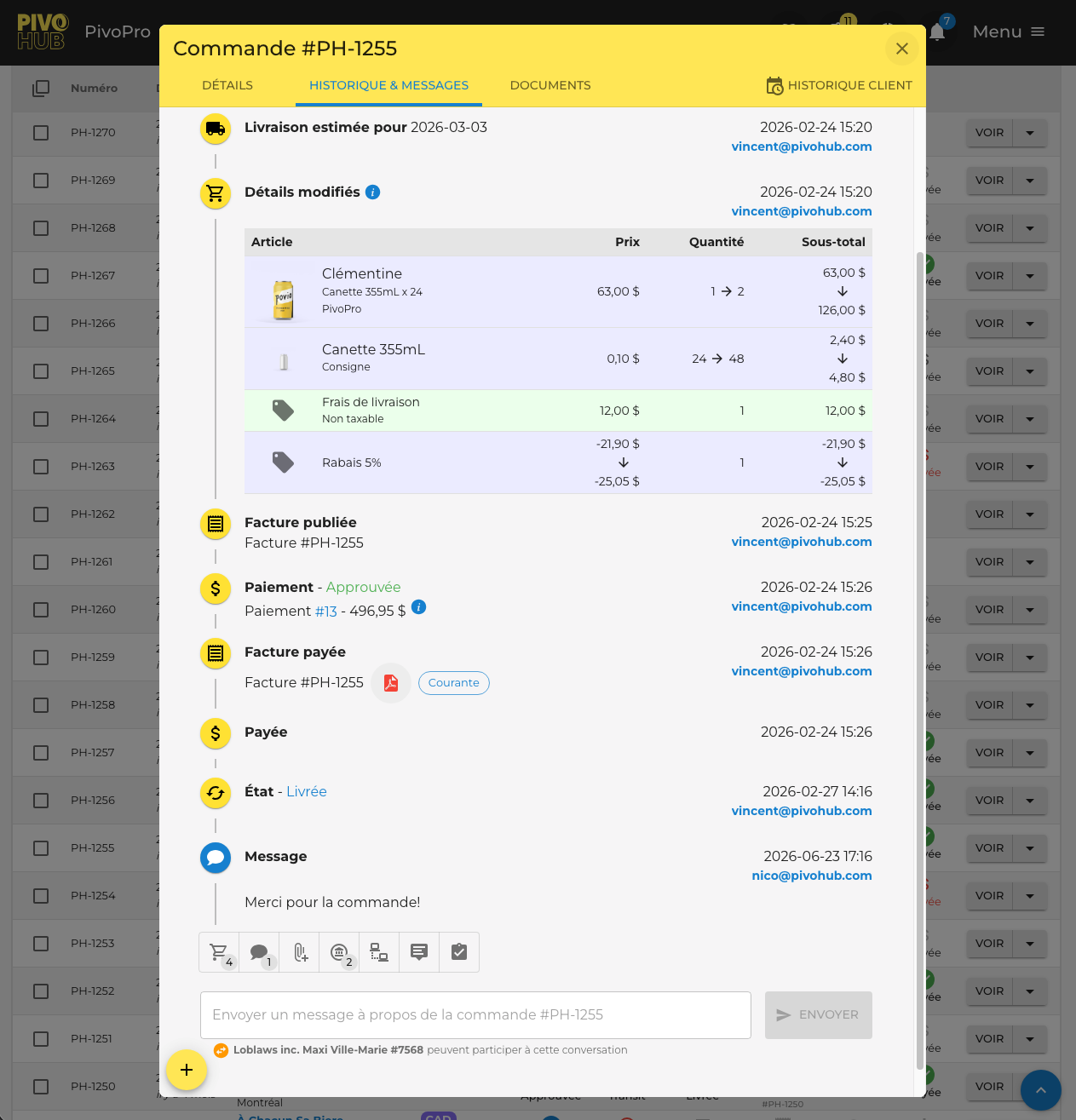
Imagine opening one dashboard and seeing the live stock levels of every brand you represent. No more PDFs. No more "latest" versions of spreadsheets. With PivoHub, your sellers (the producers) update their inventory once, and it reflects instantly in your view. When a retailer asks about availability, you can give a definitive "yes" in seconds.
Your buyers are tired of juggling 20 different ordering processes. PivoHub offers a B2B marketplace for retailers where they can see your entire portfolio in one professional storefront.

Stop the Sunday afternoon math sessions. Because every order is tracked through the platform: from "placed" to "delivered" to "paid": your commissions are easy to calculate.
When you automate the boring stuff, you empower yourself to do the high-value stuff.
With the administrative burden lifted, a broker's role shifts. Instead of spending your meeting with a store manager discussing which SKUs are in stock, you can use our Trends and Analytics module to show them why they should be carrying a specific brand. You can present data on purchase trends, suggest optimal restock levels, and provide a level of consultative service that manual brokers simply can't match.
The era of the "siloed broker" is coming to an end. Retailers are demanding more transparency, producers are demanding more data, and the market is moving too fast for spreadsheets to keep up.
Managing 15 brands shouldn't feel like 15 separate jobs. It should feel like managing one powerful, diverse portfolio. By unifying your operations on a single platform, you don't just simplify your life: you unify your impact.
Ready to stop the manual madness and start scaling your agency? Discover how PivoHub empowers sales brokers to manage more brands with less effort. Let’s get you out of the spreadsheets and back into the field.


