
menu
Reconnect?
You have a world-class product. Whether it’s a craft IPA with the perfect hop profile, an artisanal hot sauce that customers rave about, or a specialty snack that flies off the shelves of local boutiques, you know your quality is unmatched. But in the modern B2B landscape, quality is only half the battle. If your ordering process is stuck in the era of fax machines, PDF price lists, and endless email chains, you are becoming an "Invisible Producer."
To a busy retailer or restaurant manager, an invisible producer isn't someone they don't know, it's someone they can't easily work with. In 2026, being digital-first isn't a luxury for the "tech-savvy" few; it is a fundamental requirement for survival and growth.
At PivoHub, we’ve seen first-hand how manual operations can strangle a growing brand. Let’s dive into why staying "analog" is costing you more than you think, and how stepping into the digital light can transform your commercial operations.
Many producers view the transition to a digital marketplace as a "future project", something to tackle once they reach a certain size. However, the data suggests that waiting is incredibly expensive. Research into B2B manufacturing and food production reveals that manual, rep-driven sales and quoting typically cost companies around 5% of their annual revenue in lost deals and process friction.
Think about that for a second. For a producer doing $2M in annual B2B sales, that is $100,000 every year simply vanishing because of "friction."
Where does that money go? It leaks out in several ways:
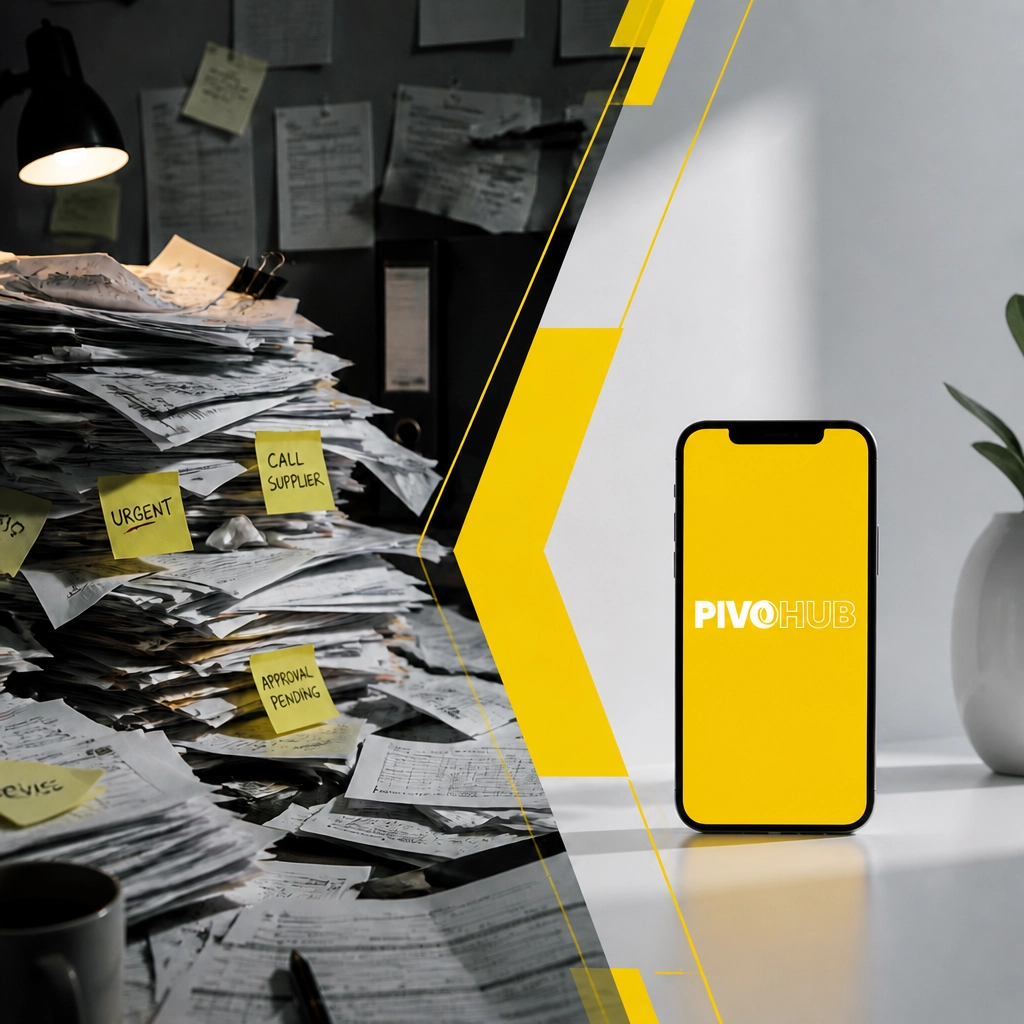
To understand why you might be invisible, you have to look through the eyes of your customers, the retailers, independent grocers, and bar managers.
Imagine a manager at a high-volume specialty shop. They need to order from 20 different local suppliers every week. If 15 of those suppliers are on a centralized B2B marketplace, the manager can place those 15 orders in three clicks during their coffee break.
Now, imagine they get to you. To order your product, they have to:
In a world where time is the most precious commodity, convenience is a competitive advantage. If you make it hard for a retailer to buy from you, they will eventually stop trying. They aren't ghosting you because they don't like your product; they're ghosting you because your process is a hurdle in their already busy day.
The solution isn't just "getting a website." The solution is becoming part of a connected network. This is what we call the "Multiplayer Platform" approach. When you join a platform like PivoHub, you aren't just putting a catalog online; you are plugging your entire business into a live ecosystem where one transaction updates everyone simultaneously.
The "Invisible Producer" often suffers from the "out of stock" nightmare. A customer orders, you say yes, and then three hours later you realize the last case was sold to someone else. With PivoHub’s real-time inventory tracking, your marketplace listing updates automatically. If you have 10 cases left, the 11th buyer can't order them. This builds incredible trust with your retailers.
One of the biggest time-sinks for producers is manual data entry. You take an order on the phone, write it on a pad, enter it into a spreadsheet, and then: at the end of the week: you manually type it into your accounting system. This is where errors live.
PivoHub automatically syncs with accounting software like QuickBooks, SAGE, Acomba and other ERP systems. The moment an order is placed on the marketplace, the invoice is generated and pushed to your accounting system. No manual entry, no typos, and no Friday nights spent catching up on paperwork.
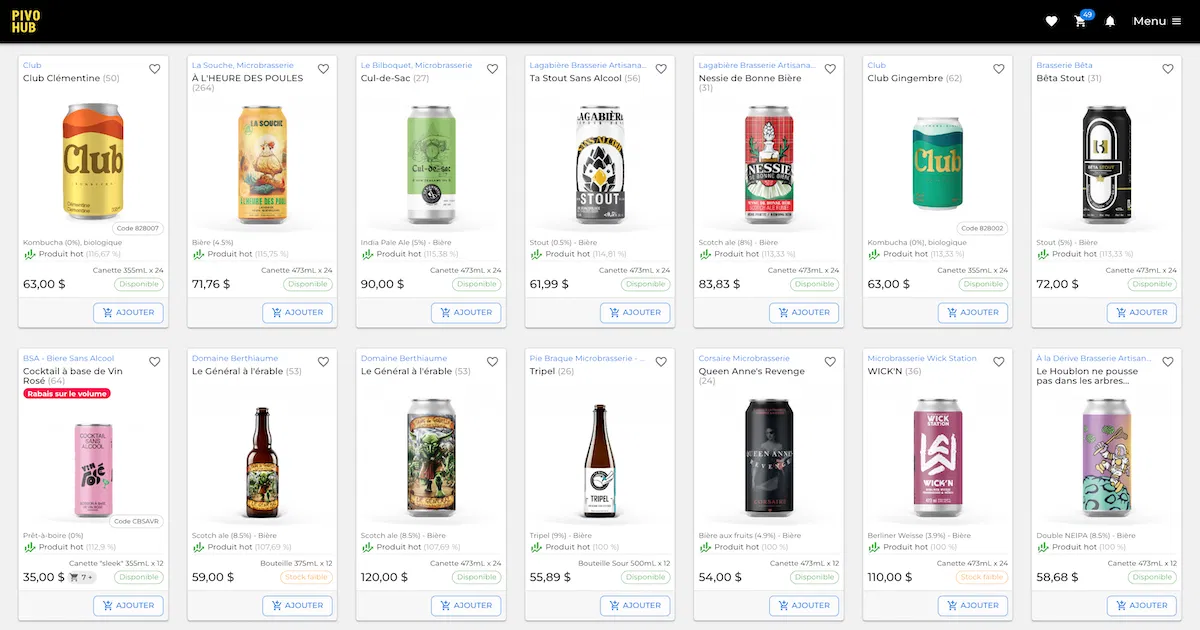
A digital-first approach makes a small producer look like a national powerhouse. When a buyer visits your B2B storefront, they see high-quality images, clear technical specs, volume discounts, and live stock levels. It screams "we are professional and ready to grow with you."
The biggest fear most producers have is that "going digital" will take months of setup and thousands of dollars in consulting fees. This is a myth held over from the old era of ERP systems.
Modern sales operating systems are designed for speed. At PivoHub, we pride ourselves on fast implementation (2-10 days). We don't believe in "big bang" software launches that disrupt your business. We believe in getting your catalog live, syncing your inventory, and getting your first digital order within the same week.
The cost of not acting is clear:
The era of the "Invisible Producer" is ending. As the food and beverage industry becomes more interconnected, the winners will be the brands that are not only high-quality but high-visibility.
By adopting a digital-first strategy, you free your sales team from the burden of taking orders and allow them to focus on what they do best: building relationships and growing the brand. You empower your retailers to order on their own terms, and you give your back-office the gift of automated accuracy.
Don't let your brand be a "best-kept secret" because of a PDF. Step out of the shadows, eliminate the spreadsheets, and join the network that is defining the future of B2B sales.
Are you ready to stop being invisible? Book a demo with PivoHub today and see how we can digitize your operations in less than two weeks.


