
menu
Reconnect?
In the world of specialty foods and local distribution, the "paperwork tax" is real. You spend time developing great products, building retailer relationships, and getting orders moving. Then the admin work takes over.
Orders come in by email. Pricing lives in spreadsheets. Inventory is updated manually. Someone has to re-enter the same information into accounting. And payment gets delayed because one small detail was missed somewhere along the way.
This is the Order-to-Cash (O2C) cycle: everything that happens between receiving an order and getting paid.
For many food businesses, that cycle is still full of friction. It is slow, disconnected, and too dependent on manual work. The result is delayed invoices, avoidable mistakes, and cash flow that moves slower than it should.
The good news is that you can fix it. By automating your Order-to-Cash flow, you can simplify operations, reduce manual entry, improve order accuracy, and help your business get paid faster.
In this guide, we’ll break down the main steps of O2C and show how a connected platform like PivoHub helps unify the process from sales to accounting.
Order-to-Cash is the full operational and financial workflow behind every sale. It typically includes:
In food distribution, every step matters. Products move quickly, inventory can change by the hour, and mistakes create operational and financial consequences fast.
Common friction points usually look like this:
When these issues stack up, your team spends more time fixing problems than moving orders forward.
The foundation of O2C automation is a single source of truth.
If your catalog exists in multiple places, your team is always at risk of selling the wrong item, quoting the wrong price, or promising stock that is no longer available. That creates disputes later, and disputes almost always slow payment down.
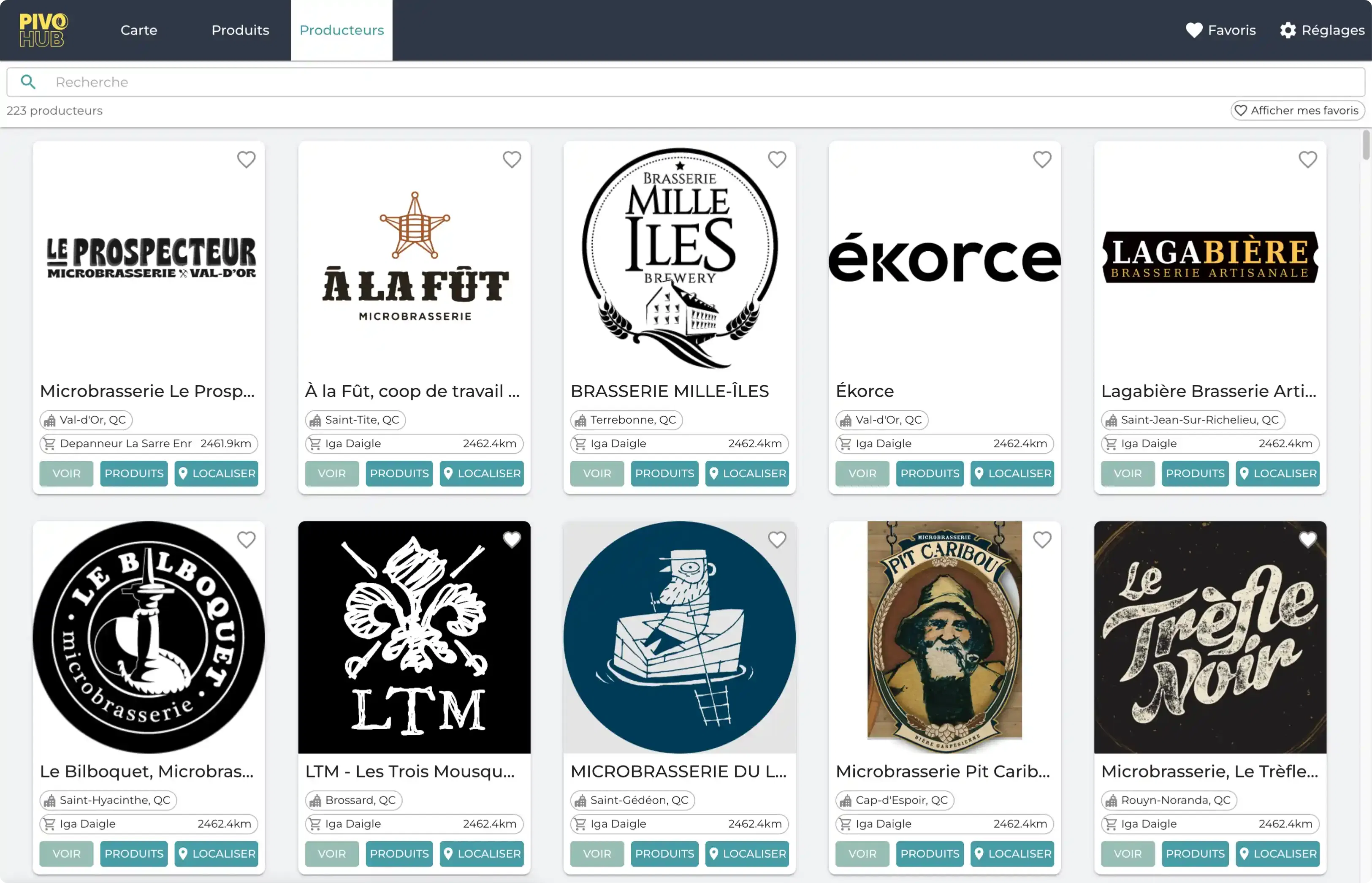
With PivoHub for sellers, you can centralize your product catalog, pricing, and customer-facing information in one place. That means your sales reps, buyers, operations team, and back office are all working from the same data.
Why this matters for cash flow:
When the order starts clean, the rest of the cycle moves faster.
One of the biggest causes of friction in food operations is selling inventory that is no longer available.
If a buyer places an order for products that are out of stock, your team has to adjust the order, notify the customer, update the invoice, and often rework fulfillment. That is time lost across sales, warehouse, and accounting.
With real-time inventory syncing, your sales channel reflects what is actually available. PivoHub helps businesses connect inventory across warehouses, orders, and fulfillment so stock levels stay current as transactions happen.
This makes a big difference when you are managing:
Why this speeds up O2C:
When inventory is live, your team can sell with confidence and fulfill without surprises.
A lot of payment delays start with inefficient order capture.
If orders come in through phone calls, texts, PDFs, and scattered email threads, your team has to interpret, confirm, and manually process everything before fulfillment can even begin.
That is why giving buyers a self-serve ordering experience matters.
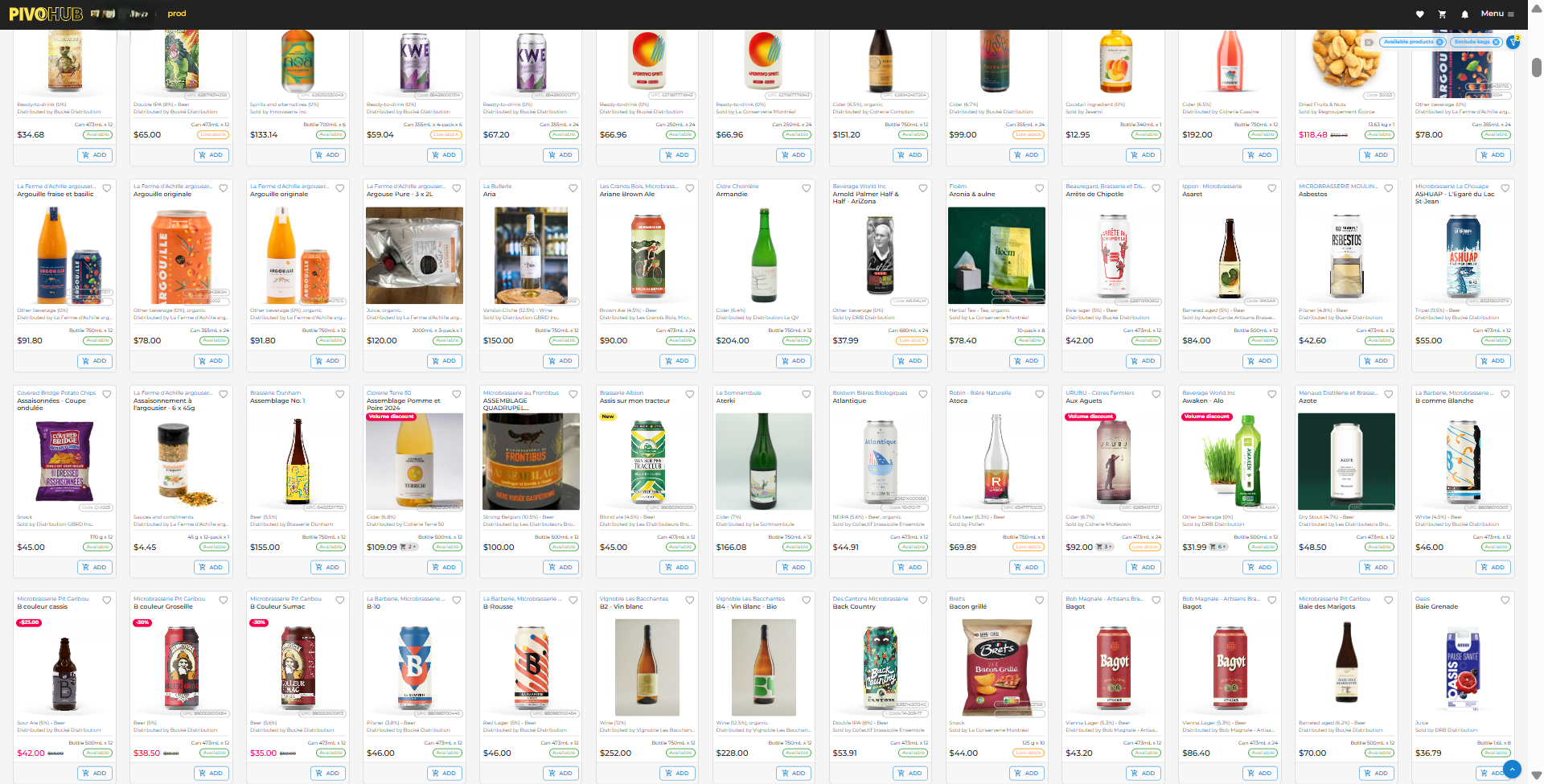
With PivoHub for buyers, customers can order in 3 clicks, see up-to-date availability, access their order history, and work from a centralized catalog instead of outdated files.
This improves the "order" part of O2C by:
Instead of chasing orders, your team can focus on serving accounts and growing revenue.
Once an order is confirmed, speed matters.
Many food businesses still lose time between order capture and delivery because warehouse and logistics tasks are handled manually. Teams create pick lists by hand, build delivery runs in spreadsheets, and rely on paper to confirm what was shipped.
That slows invoicing down.
A more connected workflow helps automate the next operational steps, including:
By simplifying fulfillment, you create a direct path from order to invoice.
This matters because the faster you deliver accurately, the faster you can bill confidently.
This is where O2C automation becomes truly powerful.
In many businesses, accounting is still disconnected from sales and operations. Once the order is delivered, someone has to manually transfer the information into QuickBooks, SAGE, Acomba, or ERP system. That duplicate entry creates delays and opens the door to costly mistakes.
PivoHub helps connect the sales floor to the back office.
When orders are confirmed and fulfilled, the information can sync directly into your accounting workflow, reducing re-entry and keeping financial records aligned with operational reality.
That leads to major advantages:
This is one of the biggest reasons automation helps businesses get paid faster. When invoicing happens quickly and accurately, collections become much easier to manage.
One of the most useful ways to measure O2C performance is Days Sales Outstanding (DSO). DSO tells you how long it takes, on average, to collect payment after a sale is made.
If your DSO is high, cash stays trapped in accounts receivable longer than it should. That affects your ability to restock, invest in growth, manage payroll, and operate with confidence.
For food businesses with tight margins, that delay adds pressure fast.
By improving how orders are captured, fulfilled, invoiced, and synced to accounting, you reduce the operational drag that slows payment down. In other words, you make it easier for revenue to become real cash.
That is what O2C automation is really about: not just saving time, but unlocking liquidity.
The future of food & beverage distribution is not more spreadsheets. It is not more emails. And it is definitely not more duplicate data entry.
It is a connected commercial workflow where producers, distributors, brokers, and buyers operate from the same information in real time.
That is exactly where PivoHub fits in.
By helping you centralize, automate, and connect your order flow, PivoHub makes it easier to reduce errors, move faster, and get paid with less friction.
You started your business to build great products and strong customer relationships, not to spend your days fixing avoidable admin issues. A better Order-to-Cash process gives your team more time to sell, fulfill, and grow.
Ready to simplify your operations and speed up your cash flow?
Book a free personalized demo and see how PivoHub can help unify your sales, fulfillment, and accounting workflows.


